
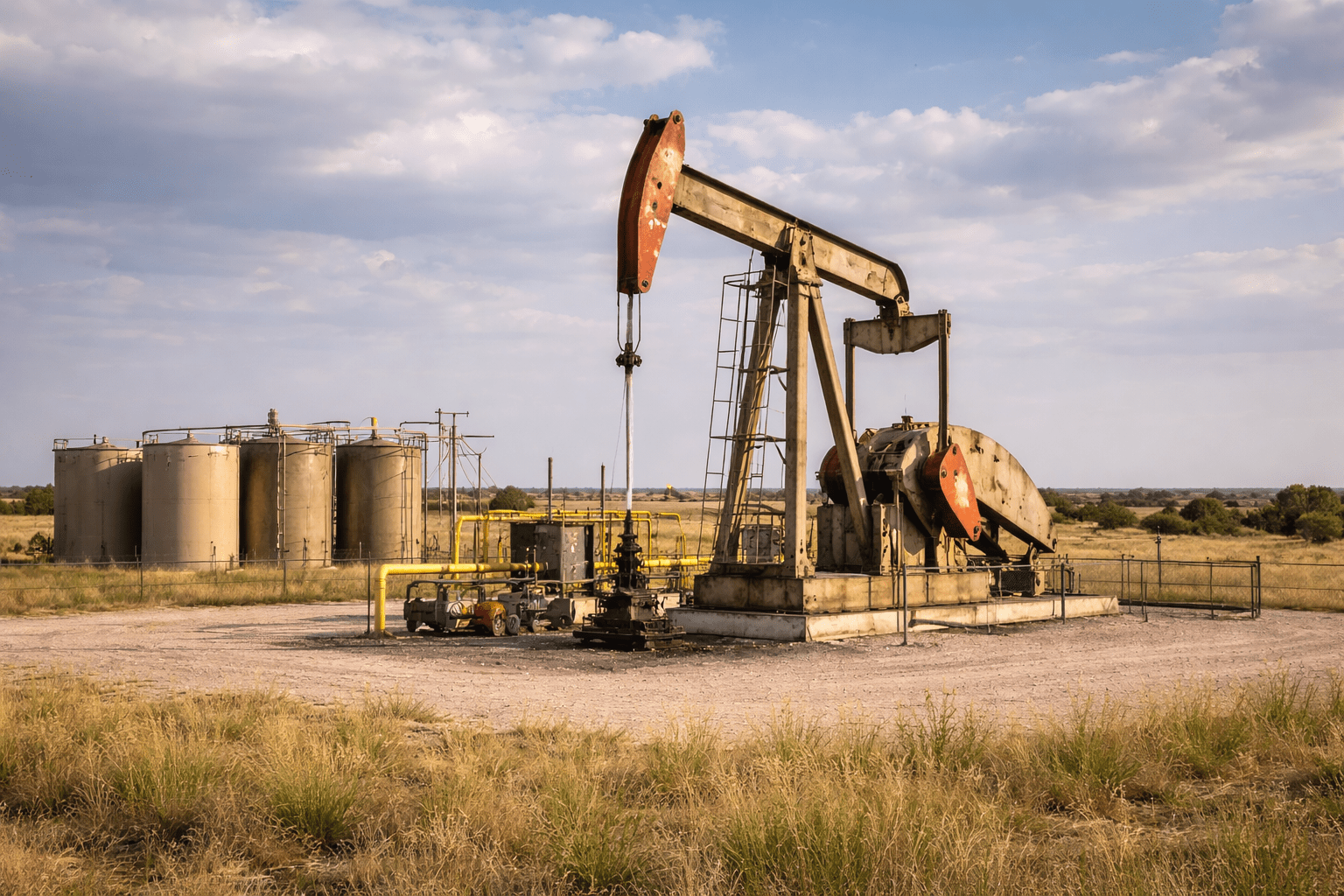
Oil prices fell on Monday as signs of progress in US-Iran talks cooled fears of a Hormuz supply disruption.
The Strait of Hormuz was still the market’s biggest fault line, but a fresh round of US-Iran diplomacy gave crude sellers enough reason to press WTI back towards the mid-$70s.
West Texas Intermediate futures fell about 1.2% to trade near $75.50 in Asian hours, reversing an early gain.
The move followed cautious optimism from both Washington and Tehran after weekend talks in Switzerland, where mediators Qatar and Pakistan said the two sides had agreed on a 60-day path towards a wider settlement.
Diplomacy trims the war premium
The oil market is not pricing peace yet. It is pricing a lower chance of immediate disruption.
Iranian Foreign Minister Abbas Araghchi said the talks had delivered progress on oil and petrochemical export waivers, relief around port access, the release of some frozen assets and a reconstruction plan.
US Vice President JD Vance also pointed to progress, while the mediators said technical discussions would start immediately.
That matters because Iran had again threatened traffic through Hormuz, the narrow waterway that carries a large share of seaborne crude and refined fuel.
A formal transit mechanism to protect commercial shipping helped calm the market, even though traders remain alert to any fresh military action in Lebanon or the Gulf.
Supply relief has limits
For now, the direction of travel is bearish. If Hormuz remains open and Iranian barrels face fewer restrictions, the market loses part of the premium built during the recent escalation.
Still, the decline is unlikely to be clean. Any sanctions relief will need legal, banking and shipping channels to function.
Tanker insurance, port access and compliance checks could slow the return of flows. Damaged regional infrastructure and low inventories may also keep the market sensitive to headlines.
Analysts have also warned that Tehran’s comments carry more weight for crude than Washington’s language, because Iran controls the immediate signal on Hormuz access.
That makes every statement from Tehran a potential price trigger.
Technical pressure builds below $80
The chart has turned heavier as well. WTI remains well below its 20-day exponential moving average, around $84, leaving rebounds vulnerable to selling.
Source: TradingView
Momentum indicators also point to continued pressure, with the relative strength index near the low-30s.
The first downside marker is the June 18 low at $72.79. A break below that level could open the door to a move towards $67.20, roughly where crude traded before the latest war premium was added.
On the upside, bulls need to reclaim the $84 area to challenge the current bearish setup.
Until then, diplomacy may keep a lid on prices, but the market will still trade one headline at a time.
The post WTI tumbles toward $75 as US-Iran talks ease Hormuz panic appeared first on Invezz