Retail history is filled with once-iconic fashion brands that faded as consumer expectations evolved.
Names such as Barneys New York, Von Dutch, and Bebe were cultural staples at some point, featured in films and TV shows and worn by A-list celebrities, yet today have little to no physical retail presence.
Their decline highlights the reality that in fashion, brand recognition alone is not enough. Consumer preferences change quickly, and companies that fail to evolve their products, experiences, and strategies risk losing relevance. While style is subjective, stagnation is not survivable.
Now, one legacy brand may be getting a second chance, thanks to a fast-growing retail competitor.
Aritzia acquires Fred Segal
Canada-based retailer Aritzia has acquired Fred Segal from Fred Segal Family LLC for an undisclosed amount. The deal includes the Fred Segal brand name, intellectual property, trademarks, and the lease for its original flagship store at 8100 Melrose Avenue in West Hollywood, Los Angeles.
Fred Segal began in 1961 as a denim-focused concept store called Pants America before expanding and rebranding under its founder’s name. At its peak, the company operated about nine U.S. locations and two international stores, according to Retail Brew.
However, like many retailers, Fred Segal struggled during the Covid pandemic. Stores began gradually closing, and by 2024, the brand’s e-commerce platform and remaining physical locations had shut down.
Shutterstock
Aritzia eyes major U.S. expansion
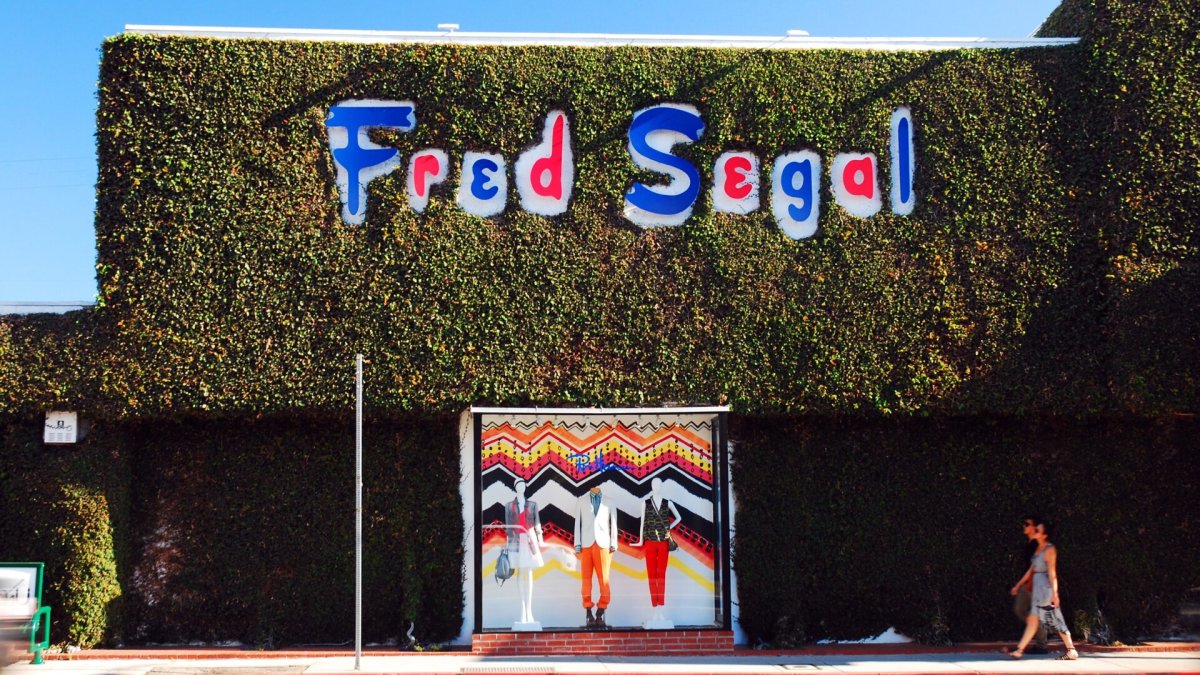
Aritzia plans to revive the Fred Segal brand and restore the historic Melrose flagship, including rebuilding its iconic ivy-covered façade, which was damaged during a recent storm.
The company says the location will be transformed into a new experiential retail destination that blends both brands, combining product, culture, and community to serve as a lifestyle hub rather than a traditional store format.
Aritzia CEO Jennifer Wong described Fred Segal, in a statement, as “a cultural touchstone in Los Angeles — a place where creativity, community and style converge,” according to Chain Store Age.
“We are honored to steward and evolve this iconic brand for a new generation with the elevated experience and ‘everyday luxury’ that define Aritzia,” said Wong. “With the acquisition, Aritzia will bring that ethos to Fred Segal, honoring the brand’s storied heritage while reimagining its future for a new generation.”
The acquisition also supports Aritzia’s long-term strategy to expand its U.S. footprint to more than 200 stores, up from the approximately 72 it currently operates, according to Women’s Wear Daily (WWD).
“Larger formats in key cities have proven effective at elevating the Aritzia experience and supporting strong demand. When a bigger footprint meaningfully enhances the client experience, we lean into that opportunity,” said Aritzia Executive VP of Real Estate Karen Janes in an interview with WWD in February.
Aritzia’s growth momentum
Founded in 1984 in Vancouver’s Oakridge Centre, Aritzia (ATZAF) has built a reputation around its everyday-luxury concept, offering high-quality, minimalist apparel at accessible price points. The company now operates 139 boutiques and continues to see strong growth.
In the third quarter of fiscal 2025, net revenue increased 42.8% year over year to $1.04 billion CAD ($760 million USD), with the U.S. alone rising 53.8% and accounting for 59.7% of total net revenue.
More Fashion Retail Business News:
- Luxury giant to close more than 200 stores after sales drop
- 159-year-old retail giant announces more store closures
- Mall retailer closing all stores in bankruptcy may survive
The company cited digital initiatives, new boutique openings, and strategic marketing investments as the primary contributors.
The Fred Segal acquisition represents a brand-building opportunity and a strategic real estate move in one of the country’s most influential fashion markets.
The broader retail industry and what the Fred Segal acquisition means
Despite Aritzia’s continued growth, the broader retail industry faces headwinds.
McKinsey & Company’s State of Fashion 2026 Report projects low-single-digit growth for the global fashion industry in 2026. Macroeconomic volatility and tariff pressures are expected to continue shaping value-conscious consumer behavior, particularly in the U.S., where consumer sentiment remained low throughout 2025.
“Vacant storefronts are becoming an increasingly common sight, and declining commercial property values are the norm,” said Approved Funding President and Chief Lending Officer Shmuel Shayowitz. “And for consumers, the fallout means fewer choices, diminished access to in-person shopping, and, in some cases, higher prices due to reduced competition.”
Experiential retail strategy strengthens fashion brands’ image
Experiential retail has become a powerful strategy to counter the decline of physical locations by providing consumers with unique, memorable shopping experiences that they cannot get from e-commerce platforms.
This is why brands invest in flagship stores, which are usually larger than regular locations and feature unique architecture and design, exclusives, and even hospitality that incentivize consumers to visit.
“The flagship store can enhance the brand image and provide valuable communication impact,” said Elle Education Business Communications, Branding, and Fashion Culture Expert Fernando Aguileta de la Garza.
“An effective flagship store attracts new customers and keeps the current loyal ones hooked to the brand. The aim of a flagship store is to stimulate the emotional sensations and physical attributes that the brand possesses and showcase them to the customer.”
Brick-and-mortar retail remains the dominant preferred format for most consumers, accounting for approximately $14.4 trillion of total retail sales of $18.9 trillion in 2025, according to Euromonitor research gathered by EY.
If successful, the Fred Segal relaunch could serve as an example for how modern retailers can revive legacy brands by using experiential shopping to drive in-store foot traffic.
Related: Ikea makes major U.S. changes, closing stores