
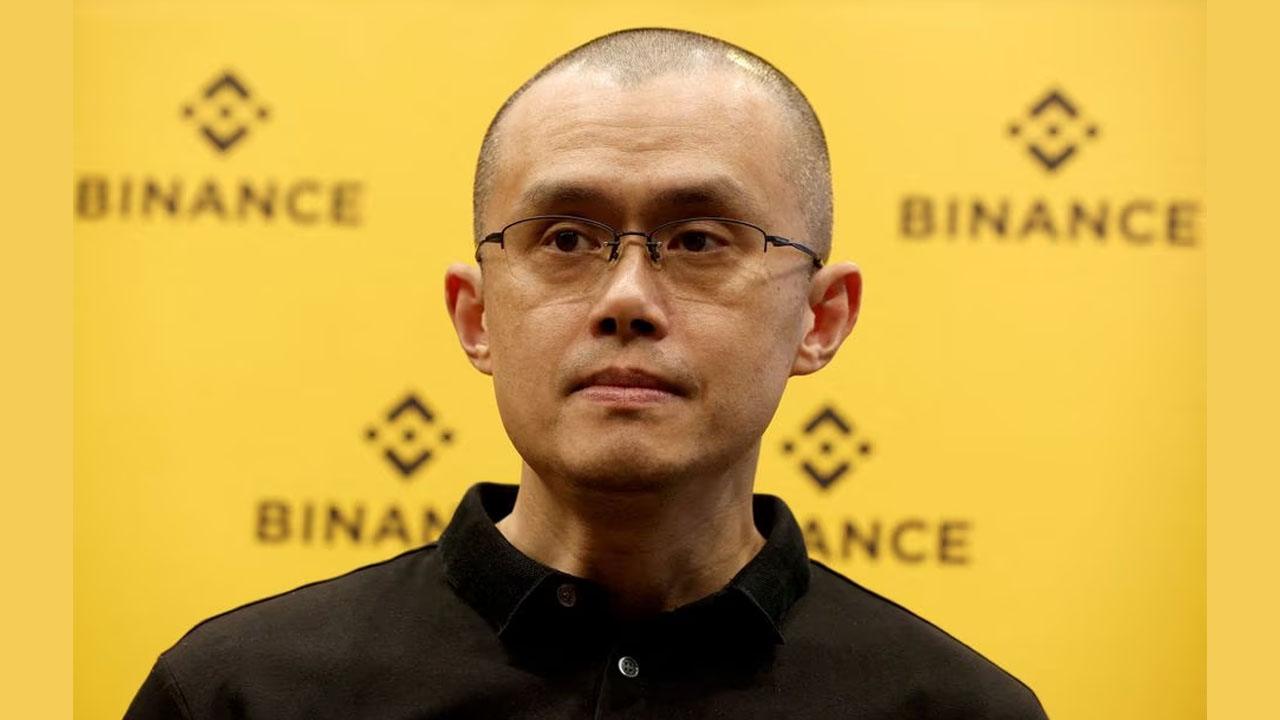
Binance founder Changpeng “CZ” Zhao has overtaken Microsoft co-founder Bill Gates in Forbes’ billionaire ranking, underscoring how crypto exchange ownership has created one of the world’s largest private fortunes despite regulatory setbacks and market volatility.
Forbes estimated Zhao’s net worth at about $110 billion in its 2026 billionaires list, up roughly $47 billion from the previous year. The figure placed him 17th globally and ahead of Gates, whose fortune was estimated at about $108 billion. Forbes’ real-time profile later showed Zhao’s wealth at about $107.7 billion as of June 28, reflecting daily movement in asset prices and private-company valuation assumptions.
Zhao’s fortune is largely tied to his ownership of Binance, the world’s largest cryptocurrency exchange by trading volume. Forbes says Zhao still owns an estimated 90% of Binance, alongside a stash of BNB tokens and other crypto assets. The ranking marks a striking turnaround for the former chief executive, who stepped down from Binance in 2023 as part of a U.S. settlement and later served a four-month prison sentence after pleading guilty to failing to maintain an adequate anti-money-laundering program.
Zhao has disputed the Forbes calculation. In a March 2026 post on X, he said the estimate was “not accurate” and described rich lists as “guess a number lists.” He also questioned how his net worth could rise sharply during a period when crypto prices had fallen materially, arguing that the methodology did not reflect market reality.
Crypto Wealth Meets Traditional Billionaire Rankings
The comparison with Gates is symbolically important because it shows how crypto founders are now competing with technology and industrial billionaires in global wealth rankings. Gates built his fortune through Microsoft and has spent decades reducing his net worth through philanthropy. Zhao’s wealth, by contrast, is concentrated in a privately held crypto exchange whose valuation depends heavily on trading activity, regulatory access, token markets and investor assumptions about Binance’s long-term profitability.
That makes Zhao’s ranking more volatile than those of public-company founders. Public equity stakes can be marked to market in real time, while Binance is private and does not disclose audited financials at the level of a listed company. Estimating Zhao’s fortune therefore requires assumptions about Binance revenue, margins, ownership, token holdings and exchange valuation multiples.
The debate also reflects a broader challenge in measuring crypto wealth. Large private holdings, exchange equity, native tokens and undisclosed wallets can make fortune estimates unusually uncertain. In Zhao’s case, even a small change in Binance’s assumed valuation can move his estimated wealth by tens of billions of dollars.
Regulatory Risks Remain Central
Zhao’s rise in the rankings comes despite Binance’s regulatory history. The company agreed to a multibillion-dollar settlement with U.S. authorities in 2023, and Zhao stepped down as CEO while retaining a major ownership stake. Binance has since sought to rebuild compliance systems, preserve global market share and defend its role as core infrastructure for crypto trading.
For the market, Zhao’s estimated wealth highlights the continued economic power of centralized exchanges. Even as decentralized finance, ETFs and institutional custody products expand, large trading venues remain among the most profitable businesses in digital assets. Binance’s ability to retain users and volumes directly affects the value assigned to Zhao’s stake.
The comparison with Gates also carries reputational weight. It places a crypto founder above one of the most recognizable technology billionaires in modern history, while raising questions about transparency, valuation methodology and regulatory durability.
The larger takeaway is that crypto has produced fortunes large enough to rival the old technology elite. But Zhao’s own rejection of the Forbes estimate is a reminder that private crypto wealth remains difficult to measure, highly sensitive to market cycles and deeply tied to the uncertain future of global exchange regulation.