
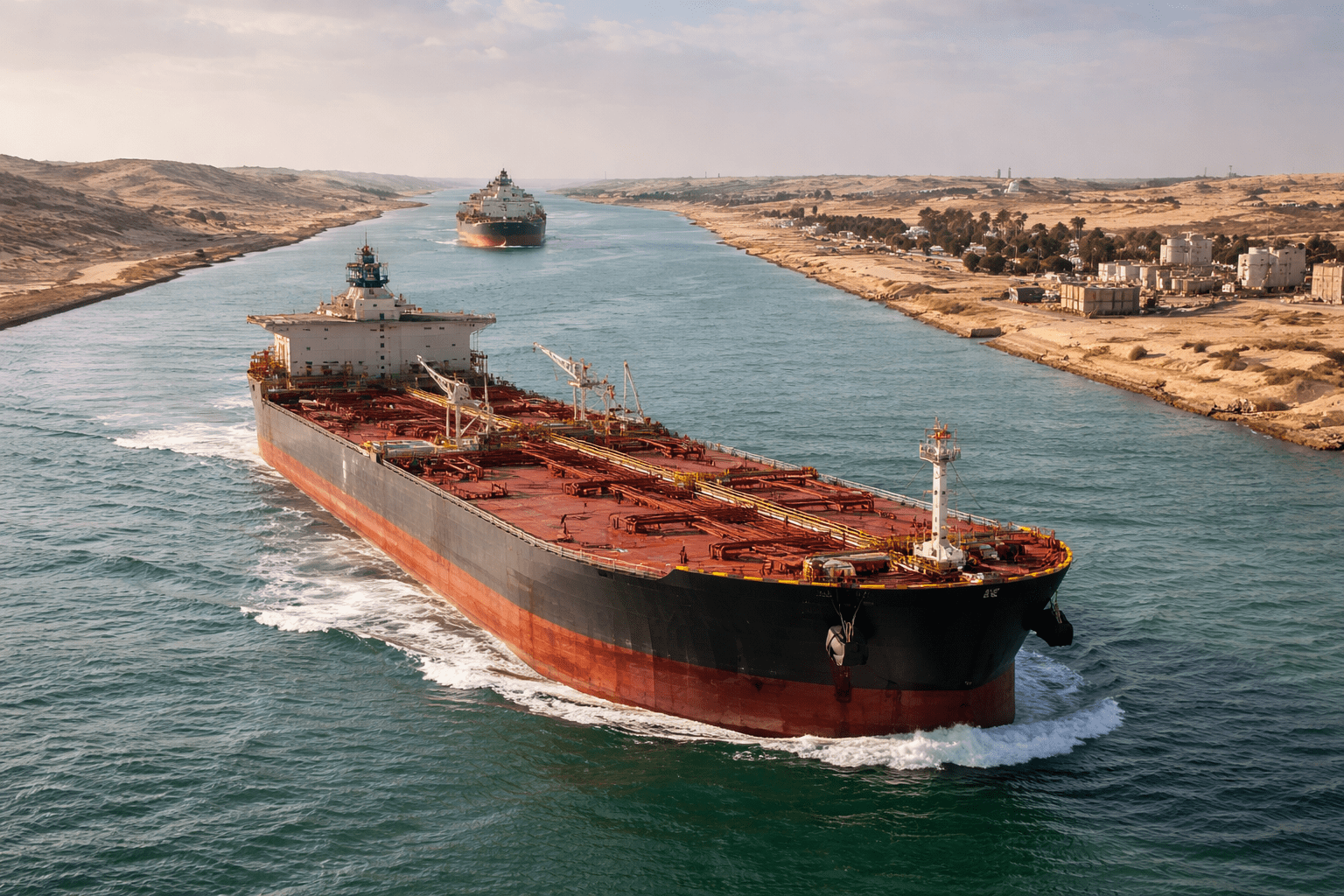
Oil markets are weighing the prospects of a US–Iran framework agreement even as fresh American strikes on Iranian missile sites and mine‑laying vessels have tempered optimism.
Brent crude has slipped back below $100 a barrel, down about 10% from last week, but the pace of recovery in Gulf exports remains uncertain.
A new research report by Commerzbank AG outlines the hurdles and potential pathways to normalization.
Clearing mines could take months
Barbara Lambrecht, commodity analyst at Commerzbank, said the removal of sea mines is the first critical step.
“Removing the sea mines could take up to six months, according to media reports citing a private briefing given by the Pentagon to the US Congress,” she noted.
The US would rely on NATO partners to deploy minesweepers, and only after clearance would insurers resume coverage on normal terms.
Until then, only a few escorted convoys could pass through a narrow channel.
The International Energy Agency (IEA) estimates it could take an additional two to three months after clearance for export activity to return to normal.
Supply chain bottlenecks vary by country
The IEA highlights uneven supply chain resilience across the region.
Iraq faces severe bottlenecks at its ports and limited storage capacity, while both Iraq and Kuwait depend heavily on imported materials, delaying repairs to damaged facilities.
By contrast, Saudi Arabia and the United Arab Emirates (UAE) have more efficient port operations, larger inventories, and stronger domestic repair capacity.
Lambrecht explained that “a swifter resumption of export activity appears to be possible here,” underscoring the divergence in recovery timelines.
Infrastructure damage adds uncertainty
The full extent of damage to production facilities remains unclear.
Targeted attacks on refinery processing plants could result in losses lasting up to three years, according to the IEA.
April’s crude oil production losses in the Gulf totaled nearly 12 million barrels per day compared with February, before the Strait of Hormuz closure.
Iran’s output was curtailed by 1.4 million barrels per day in May due to the US naval blockade.
Lambrecht stressed that “how quickly supply can be ramped up again therefore also depends on which countries have experienced production cuts and to what extent.”
Saudi Arabia and UAE best placed to rebound
Despite suffering the largest production drop, Saudi Arabia is among the best positioned to recover quickly.
The kingdom has alternative capacity via the East‑West pipeline and significant stockpiles.
According to JODI, Saudi inventories at the end of February stood at around 170 million barrels of crude and 70 million barrels of petroleum products.
The UAE, which recently exited OPEC, also has substantial spare capacity.
Lambrecht said these reserves “could, in theory, be released immediately,” providing a buffer as production ramps up.
Storage capacity across the region
Data provider Kayrros estimated crude stocks of five Arab producers at 175 million barrels in early March, with regional storage capacity at 350 million barrels, about 80% usable.
However, the injections have been modest. Kayrros reported an 18 million‑barrel build in March, followed by 7.4 million barrels in Iran in April, offset by withdrawals of 7 million barrels in Iraq.
Lambrecht observed that “the fact that this leeway is not being utilised can probably also be explained by the lack of storage capacity in precisely those countries that need it most, such as Iraq.”
Tanker fleet capacity is crucial
Even after the reopening of Hormuz, the oil transport will depend on the global tanker fleet.
The IEA cautions that the market will not return to equilibrium before the end of the fourth quarter.
“There is another point that should not be overlooked following the reopening of the Strait of Hormuz: the oil available in the region will, after all, need to be transported,” Lambrecht said.
The capacity of the global tanker fleet will therefore play a key role in determining when these volumes reach the market and the crude oil market is once again adequately supplied.
While confidence remains high among market participants, the timeline for recovery is complex.
Mine clearance, supply chain resilience, infrastructure damage, stockpile releases, and tanker availability will all shape the pace.
Brent crude’s retreat below $100 reflects optimism about a deal, but Lambrecht warned that “the market will not return to equilibrium before the end of the fourth quarter.”
The post Gulf oil recovery slowed by mines, bottlenecks and tanker limits appeared first on Invezz